What is Uterine Bleeding?

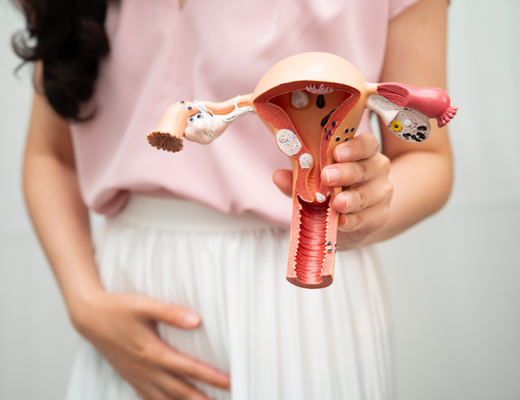
Uterine bleeding refers to heavy, prolonged, or frequent menstrual bleeding that may indicate an underlying condition. It can result from a variety of causes, including endometrial polyps, uterine fibroids, adenomyosis, hormonal imbalances, or endometrial hyperplasia.

Because uterine bleeding can have multiple causes, identifying the source is essential in determining the most effective treatment approach.

Symptoms:

  • Heavy or prolonged menstrual bleeding
  • Bleeding between periods
  • Frequent menstrual cycles
  • Passing large blood clots
  • Fatigue related to blood loss


Not everyone experiences every symptom. The severity and pattern of bleeding can vary depending on the underlying cause.

What Patients Should Know

Abnormal uterine bleeding can have many different causes, and identifying the source is essential for effective treatment. Changes in bleeding patterns should not be ignored, especially if they become persistent or worsen over time.

Tracking your menstrual cycles and symptoms can provide valuable insight during evaluation. Early diagnosis and treatment can help prevent complications and improve overall health and quality of life.

Uterine Bleeding Diagnosis in Freeport, Maine

Diagnosing uterine bleeding begins with a detailed medical history and physical examination. Additional testing may be used to identify the underlying cause.

What is the first step to diagnosis?

The first step is a comprehensive evaluation, which may include pelvic ultrasound to assess the uterus and ovaries. In some cases, a hysteroscopy may be recommended to directly visualize the uterine cavity.

A hysteroscopy is a minimally invasive procedure where a lighted tube is inserted through the cervix into the uterus. This allows for direct visualization and, if necessary, removal of abnormalities such as polyps.

Why Surgery Over Other Treatments?

Persistent or heavy uterine bleeding can interfere with daily life and may indicate an underlying condition that requires medical attention. Treatment is important to manage symptoms and address the root cause.

Treatment options may include:

  • Medication to regulate hormones or reduce bleeding
  • Minimally invasive procedures such as hysteroscopy
  • Surgical interventions when necessary

The Procedure With Dr. Lucas:

Dr. Lucas takes a personalized approach to evaluating and treating uterine bleeding. Each patient’s care plan is based on their symptoms, medical history, and diagnostic findings.

When appropriate, minimally invasive procedures are used to both diagnose and treat the condition. Ongoing follow-up ensures that treatment remains effective and adjustments are made as needed.

Dr. Lucas works closely with patients to provide a comprehensive and patient-centered approach to managing uterine bleeding across Maine and the New England region.

Schedule Form